Rank #58Status: Draft
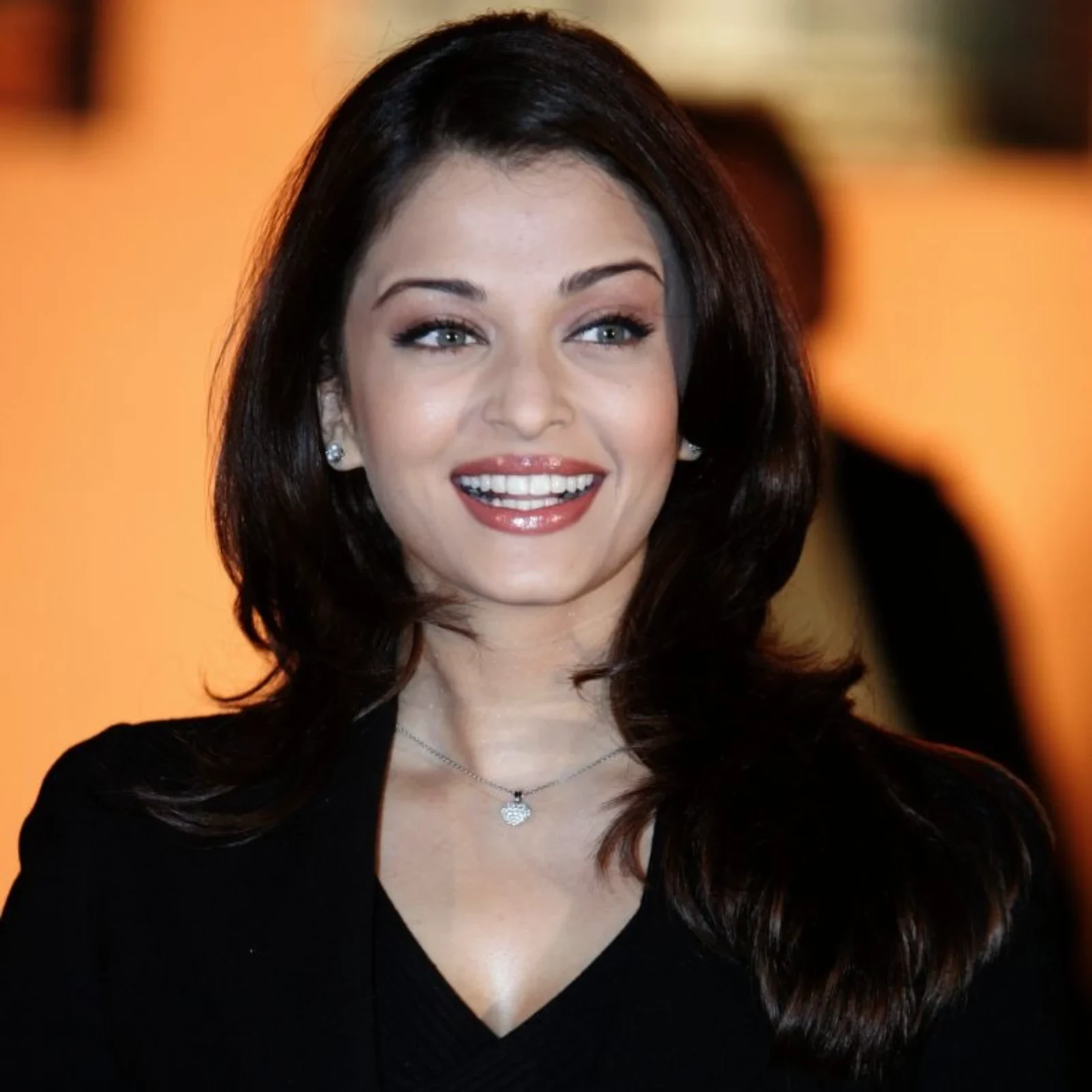
Aishwarya Rai
“Timeless Elegance Reigns Supreme, Crafting Legends Beyond the Silver Screen”
0Clout Score
0Mentions
3Media Files
Followers
0
Career Eras
0
Connections
0
Arena Appearances
0
Quick Links
Full Life Story
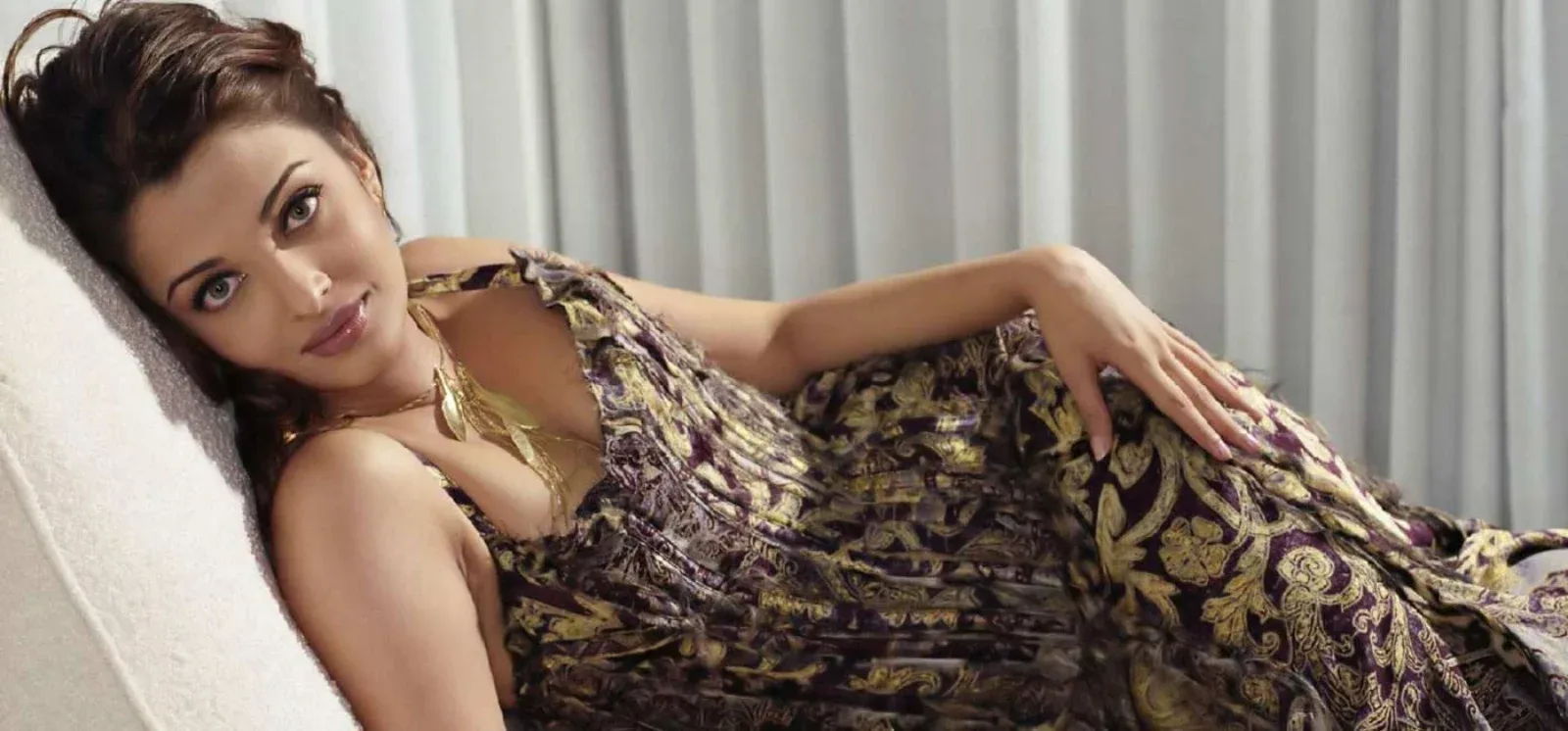
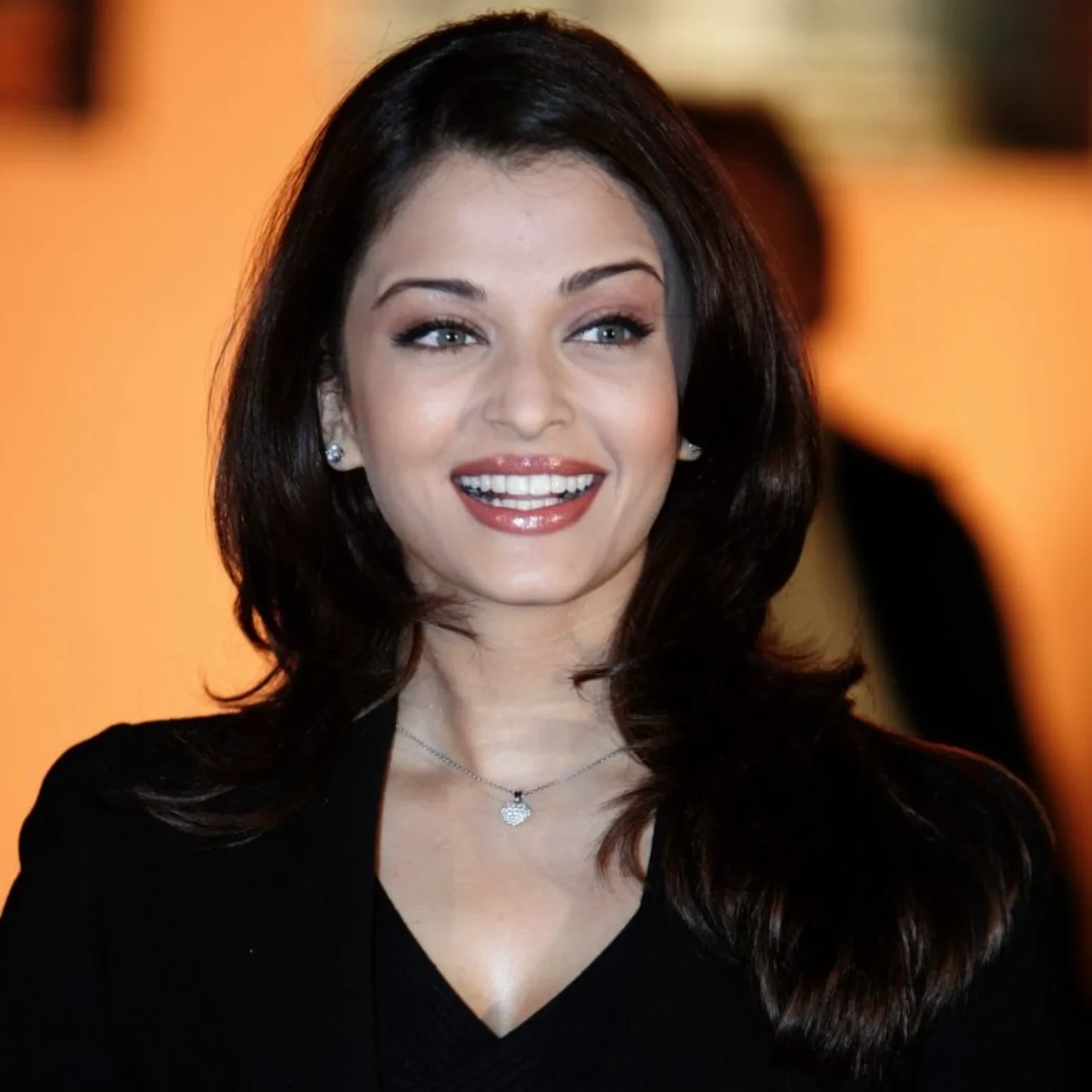
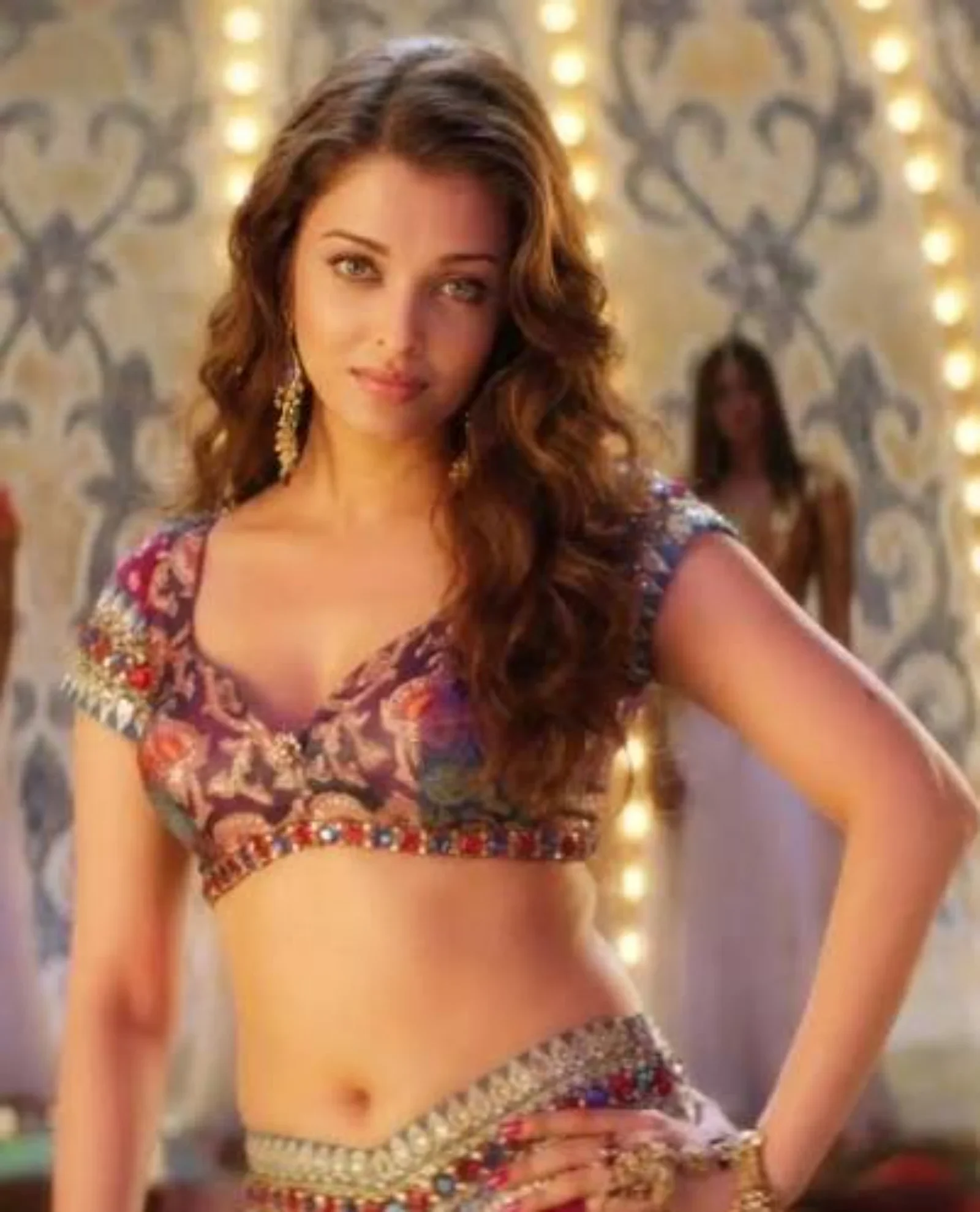
Aishwarya Rai Bachchan is a renowned Indian actress, celebrated for her captivating performances in Hindi and Tamil films. Born on November 1, 1973, in Mangalore, Karnataka, Rai's journey to stardom began when she was crowned Miss World 1994, a title that catapulted her to international fame. Her early life was marked by a passion for learning, with fluency in multiple languages, including Tulu, Hindi, and English. Rai's academic excellence earned her a 90 percent score in her Higher Secondary Certificate exams. A talented classical dancer and musician, she initially considered a career in medicine or architecture before pursuing modelling. Her breakthrough in the entertainment industry came with Mani Ratnam's Tamil film Iruvar in 1997, followed by her Hindi film debut in Aur Pyaar Ho Gaya. With a career spanning over two decades, Rai has established herself as one of India's most popular and influential celebrities, winning numerous accolades, including two Filmfare Awards and the Padma Shri, India's fourth-highest civilian honor. Time magazine named her one of the 100 most influential people in the world in 2004, and she has been affectionately dubbed "the most beautiful woman in the world". Rai burst onto the scene in 1997 with a bang, making her acting debut in Mani Ratnam's Tamil masterpiece Iruvar, a gripping semi-biographical drama that earned critical acclaim and snagged the Best Film award at the Belgrade International Film Festival. She played a dual role, essaying Pushpavalli and Kalpana, a fictionalised portrayal of politician and former actress Jayalalithaa, with her dialogue expertly dubbed by Tamil actress Rohini. The same year, she made her Bollywood debut in Aur Pyaar Ho Gaya, a romantic comedy opposite Bobby Deol, although the film tanked at the box office, Rai's performance earned her a Screen Award for Best Female Debut. However, it was her 1998 outing in S. Shankar's big-budget Tamil rom-com Jeans that truly showcased her mettle, as she impressed audiences with her acting and dancing skills as Madhumita, a young woman who travels to the US with her ailing grandmother. Despite some missteps, including the critical failure of Aa Ab Laut Chalen in 1999, Rai's career trajectory changed dramatically with her starring role in Sanjay Leela Bhansali's romantic musical Hum Dil De Chuke Sanam, an adaptation of Maitreyi Devi's Bengali novel Na Hanyate, which earned her a Filmfare Award for Best Actress and cemented her status as a leading lady. She continued to dazzle audiences with her performances, including a standout turn in Subhash Ghai's musical Taal, which not only became a commercial success but also made history as the first Indian film to crack the top-20 listing at the American box office, earning Rai her second Best Actress nomination at the Filmfare Awards. Rai's star continued to rise with a string of critically acclaimed and commercially successful films. In 2000, she starred in the Tamil-language blockbuster Kandukondain Kandukondain, a modern retelling of Jane Austen's Sense and Sensibility, alongside Mammooty, Tabu, and Ajith Kumar. Her portrayal of Meenakshi, the free-spirited younger sister, earned her rave reviews, with The Indian Express praising her "perfect dollop of innocence" that brought the character to life. Rai's on-screen chemistry with Tabu was particularly lauded, cementing her status as a leading lady. The same year, she took on a bold role in Mansoor Khan's action drama Josh, playing Shirley Dias, the twin sister of Shah Rukh Khan's character, who finds herself caught in a web of love and rivalry. Despite initial skepticism about the casting, Rai proved her mettle, delivering a performance that won over critics and audiences alike. Her nuanced portrayal of a rape victim in Satish Kaushik's social drama Hamara Dil Aapke Paas Hai further showcased her range, earning her praise from critics like Sukanya Verma, who noted her convincing depiction of turmoil and pain. The film's success at the box office solidified Rai's position as a bankable star, with Anil Kapoor and Sonali Bendre co-starring in the well-received drama. Deepika Padukone's performance as the protagonist of the 2005 Tamil film, Sivaji, earned her a Filmfare Award for Best Actress nomination. In 2005 Rai’s daring turn in Paul Mayeda Berges’s romantic‑fantasy The Mistress of Spices—an adaptation of Chitra Banerjee Divakaruni’s novel—was met with scathing reviews and a box‑office flop, with The Guardian’s Peter Bradshaw branding her performance “annoying” and accusing her of “wafting and simpering” through the film; however, she sparked a flash of triumph that same year with a sizzling cameo in Shaad Ali’s crime comedy Bunty Aur Babli, dazzling audiences in the chart‑topping item number “Kajra Re.” The following year she tackled two high‑profile projects: the period drama Umrao Jaan, a fresh take on Mirza Hadi Ruswa’s 1905 novel, where critics noted she captured Rekha’s grace yet fell short of the original’s melancholy intensity (BBC’s Poonam Joshi praised her “incandescent beauty” but questioned emotional depth), and the high‑octane adventure Dhoom 2, where she played the crafty thief Sunehri alongside Hrithik Roshan, Abhishek Bachchan, Bipasha Basu and Uday Chopra; the film surged to blockbuster status, becoming 2006’s highest‑grossing Indian picture with over ₹1.11 billion (US$12 million) and earned Rai a sixth Filmfare Best Actress nod despite Rediff’s critique of her “gloss and no depth.” In 2007 she embodied the supportive wife in Mani Ratnam’s Guru, a stylized biopic of Dhirubhai Ambani that garnered global acclaim and box‑office success, with Time dubbing her character an “ornament” while Rediff’s Raja Sen hailed it as arguably her finest work, netting a seventh Filmfare nomination; she also delivered a powerful turn as real‑life survivor Kiranjit Ahluwalia in Jag Mundhra’s independent drama Provoked, earning praise from Daily News and Analysis for portraying the full arc from shock to vindication, and appeared as the Indian warrior Mira in Doug Lefler’s epic The Last Legion. Rebranded as Rai Bachchan after her 2007 marriage to Abhishek, she mesmerized as the regal Jodha Bai in Ashutosh Gowariker’s Jodhaa Akbar (₹1.12 billion/US$12 million worldwide), with Rajeev Masand lauding her “wonderfully restrained” performance and securing another Filmfare Best Actress nomination; she then joined husband Abhishek and father‑in‑law Amitabh in Ram Gopal Varma’s political thriller Sarkar Raj, portraying CEO Anita Rajan, a role that contributed to the film’s critical and commercial triumph and drew commendation for the trio’s commanding presence. In 2009 Rai Bachchan stepped onto the Hollywood stage in Harald Zwart’s spy comedy The Pink Panther 2, sharing screen time with Steve Martin, Jean Reno and Emily Mortimer as the sultry criminology expert Sonia Solandres; despite the film’s critical drubbing, it still pulled in $34 million domestically, prompting Roger Ebert to note that “Rai is breathtaking in Bollywood films… but here she’s under‑utilized and too much in the background,” while USA Today dismissed her expressions as “wooden,” adding “She looks gorgeous, but her expression rarely changes.” The following year Mani Ratnam tapped her for his twin modern‑day Ramayana adaptations—Tamil Raavanan and Hindi Raavan—casting her as Ragini, a Sita‑inspired wife of a police superintendent kidnapped by a bandit; the Tamil version became a commercial hit while the Hindi counterpart flopped, earning mixed critical chatter—India Today’s Kaveree Bamzai hailed “Rai’s Sita” as a heartfelt standout, whereas Aniruddha Guha and Rajeev Masand slammed the role as little more than “scream, shriek and hiss.” Rai then teamed with Rajinikanth in S. Shankar’s sci‑fi spectacle Enthiran, playing college student Sana in what was then the costliest Indian production and a box‑office juggernaut, before turning up as the impetuous brat Mala in Vipul Shah’s comedy Action Replayy alongside Akshay Kumar, Aditya Roy Kapur and Neha Dhupia. Her 2010 drama Guzaarish marked a third collaboration with Sanjay Leela Bhansali and Hrithik Roshan, where she portrayed nurse Sophia D’Souza in a story of a quadriplegic magician’s euthanasia plea; though the film stumbled commercially, The Telegraph called it “one of Rai’s best performances” and The Times of India praised her as “a stunning picture of fire and grace, walking away with certain scenes by her sheer vitality.” In 2011 she was initially cast as the lead in Madhur Bhandarkar’s Heroine, but a pregnancy led to Kareena Kapoor taking over. From 2011 to 2014 Rai stepped back from the screen, maintaining visibility through selective brand endorsements while no new films materialised; during this lull Farah Khan reportedly courted her for the female lead opposite Shah Rukh Khan in Happy New Year, a prospect she entertained but ultimately declined, citing concerns that audiences might reject a pairing without her husband Abhishek, a decision that paved the way for Deepika Padukone to assume the role. After a five-year hiatus, Rai Bachchan made a thunderous return to the silver screen in 2015 with Sanjay Gupta's drama-thriller Jazbaa. Co-starring with legends Shabana Azmi and Irrfan Khan, she also took on a producer role, portraying Anuradha Verma, a criminal lawyer forced into a desperate defense to save her daughter. While some critics noted the film's intrusive melodrama and her occasional "over-the-top" emotional scenes, her commanding presence was undeniable. The following year, she transformed into Dalbir Kaur for Omung Kumar’s biographical drama Sarbjit, a powerful portrayal of a sister's relentless fight for her brother's freedom, premiering at the prestigious 69th Cannes Film Festival. Despite some initial debate over her casting and accent, critics lauded her profound depth in quieter moments, with Rajeev Masand highlighting how she "shines" when conveying anguish without overt drama. This nuanced performance earned her a tenth Filmfare Award nomination for Best Actress, and the film emerged a significant box office success, grossing over ₹440 million. 2016 also saw her captivate audiences in Karan Johar’s Ae Dil Hai Mushkil as the enigmatic poet Saba. Despite limited screen time, her performance was hailed as the film's "prime asset" by Variety's Joe Leydon, who praised her subtler emotional conveyance, contributing to the film becoming one of her biggest commercial triumphs, grossing over ₹2 billion. She later joined Anil Kapoor and Rajkummar Rao in the 2018 comedy-drama Fanney Khan, playing a kidnapped singer, where her composed screen presence was noted. Her cinematic journey reached new heights with Mani Ratnam's epic two-part Tamil period saga, Ponniyin Selvan: I (2022) and Ponniyin Selvan: II (2023). As the cunning Chola queen Nandini, Rai Bachchan delivered what critics called the "best of her career," with Hindustan Times praising her as the standout among the ensemble and News 18 commending her "wonderfully restrained" performance and expert use of her eyes. Both parts were monumental successes, with Ponniyin Selvan: I soaring to become one of the highest-grossing Tamil films of all time, pulling in ₹5 billion worldwide, followed by Ponniyin Selvan: II with over ₹3 billion. Beyond the silver screen, her electrifying stage presence has captivated global audiences. In 1999, she joined the "Magnificent Five" world tour alongside Aamir Khan and Rani Mukerji, followed by her first North American concert tour, "Craze 2001," which, despite the shadow of the 9/11 attacks, triumphed across Canada. She graced the closing ceremony of the 2006 Commonwealth Games in Melbourne, a vibrant showcase of Indian culture, and further solidified her live performance legacy with the "Unforgettable World Tour" in 2008. This star-studded production saw her share the stage with her husband Abhishek Bachchan and father-in-law Amitabh Bachchan, captivating crowds across the US, Canada, UK, Netherlands, and Trinidad and Tobago, proving her reign extends far beyond film. Among India's most celebrated and highest-earning actors, Rai Bachchan navigated early career critiques that labeled her a "cold fish" and "non-actress" with a resolute "I'd rather look before I leap" approach, meticulously evaluating roles. After embracing motherhood, she strategically limited projects, demonstrating an unwavering commitment to balancing her personal and professional life. Even with a reduced filmography in the past decade, her profound impact extends far beyond the screen and fashion, cementing a unique "divaness" that continues to captivate new generations. Co-star Hrithik Roshan lauds her "inspiring patience" and dedication to character, while filmmaker Omung Kumar hails her as a quintessential "director's actor," capable of transforming into any role with expert guidance. Despite constant media scrutiny, Rai Bachchan fiercely guards her private world, maintaining a minimal social media presence. Off-screen, she is recognized for her sensitive, caring spirit, driven by instinct, famously describing herself as "like water, I just naturally, easily fit and adjust to any situation." Aishwarya Rai Bachchan’s meteoric rise cemented her as a global icon: in 2004 she became the first Indian actress immortalized in wax at London’s Madame Tussauds—only the sixth Indian and the second Bollywood legend after her father‑in‑law Amitabh—to later headline the museum’s Times Square and Washington displays in 2007. Though fans and media dub her “Ash” or “Aish,” she insists on “Aishwarya,” guarding her name’s prestige. Topping The Tribune’s Bollywood elite in 1999 and earning a spot among Forbes’ top‑five Indian movie stars in 2001, she dominated Rediff.com’s Best Bollywood Actresses list for six straight years (2003‑2008) and featured in its Powerlist, all‑time best, and decade‑spanning rankings. Filmfare crowned her a Top‑Ten Actress in 2003‑04 and placed her eighth on its 2007 Power List, while Time named her one of the world’s 100 most influential people in 2004 and graced its 2003 Asia cover. She broke TV barriers on the Late Show with David Letterman and as the first Bollywood star on Oprah’s “Women Across the Globe,” and she ranked on India Today’s 50 most‑powerful Indians in 2004‑05. A 2005 Dutch tulip cultivar bore her name, and Mattel released a limited‑edition Barbie in the UK the same year. Verve listed her among the nation’s most‑powerful women in 2008 and 2011; Forbes placed her 387th among 1,411 bankable Hollywood stars in 2009—the highest‑ranked Indian—while Daily News and Analysis voted her a top Indian icon. Appearances on Martha Stewart and The Tyra Banks Show followed, and Box Office India crowned her the top Bollywood actress from 2000‑09 and second all‑time. Outlook India named her among the 75 Best Bollywood Actresses, and Forbes India’s Celebrity 100 featured her from 2012‑15 and again in 2018, peaking at #34 in 2015 with ₹480 million (US$5 million) earnings. YouGov ranked her the world’s 11th‑most‑admired person in 2018; her net worth now stands at roughly ₹7.76 billion (US$81 million), making her the second‑richest actress in India as of 2024. The media has long heralded her as "the most beautiful woman in the world," a title that has cemented her status as a global style icon. Her captivating gaze, a trademark blue-green hue, has been praised by legendary director Sanjay Leela Bhansali for its profound emotional depth, capable of conveying narratives without a single word. This mesmerizing allure, coupled with her resilience in performing musical numbers even through physical pain, has consistently placed her at the pinnacle of beauty and fashion rankings. From reader polls by UK's Hello! magazine to features in Rolling Stone, Maxim, and People, her stunning appearance has captivated audiences worldwide. Even E! Entertainment has recognized her eyes as the sexiest on its "Sexiest Body Parts" list. Despite facing backlash for post-pregnancy weight in 2011, she made a powerful statement at the Cannes Film Festival, proving her enduring screen presence and beauty. Her personal life has also been a subject of intense media scrutiny, from high-profile relationships to her celebrated marriage to Abhishek Bachchan, with whom she has graced The Oprah Winfrey Show twice and the Academy Awards. In a landmark legal victory in September 2025, Rai Bachchan secured temporary relief from the Delhi High Court against the misuse of her name and likeness, particularly AI-generated content, with platforms ordered to remove flagged material within 72 hours. Her unparalleled contributions to cinema have been recognized with two Filmfare Awards for Best Actress, a Padma Shri, and the prestigious Order of Arts and Letters from the French Government. Aishwarya Rai is a cinematic force to be reckoned with, boasting an impressive filmography of 50 films across five languages, with a predominant presence in Hindi and Tamil cinema. Her acting debut in 1997 was marked by a dual role in Mani Ratnam's Tamil political drama Iruvar, followed by her Bollywood debut in the romantic comedy Aur Pyaar Ho Gaya opposite Bobby Deol. She then took on a leading role in Jeans (1998), a high-profile Tamil film that made its way to the Academy Awards as India's official entry. Rai's breakthrough performance in Sanjay Leela Bhansali's romantic drama Hum Dil De Chuke Sanam earned her the Filmfare Award for Best Actress, and she continued to dazzle audiences with her portrayal of a singer in the musical drama Taal (both 1999). The year 2000 saw six film releases, including Kandukondain Kandukondain, a Tamil adaptation of Jane Austen's Sense and Sensibility, and Aditya Chopra's romantic drama Mohabbatein. Her iconic performance in Bhansali's period romance Devdas (2002) opposite Shah Rukh Khan garnered her a second Best Actress award at Filmfare. Rai continued to experiment with diverse roles, playing a sexually repressed widow in Rituparno Ghosh's Bengali film Chokher Bali (2003), and starring in a Bollywood-style adaptation of Austen's Pride and Prejudice, entitled Bride and Prejudice (2004). Her subsequent films, including Dhoom 2 (2006), Guru (2007), and Jodhaa Akbar (2008), solidified her position as a leading lady in Indian cinema. The year 2010 saw five film releases, including the ₹ 250 crore-grossing Tamil science fiction film Enthiran, and Bhansali's acclaimed drama Guzaarish. After a brief sabbatical, Rai Bachchan made a triumphant comeback with Jazbaa (2015) and Ae Dil Hai Mushkil (2016). Her recent endeavors include a reunion with Ratnam for the two-part period films Ponniyin Selvan: I (2022) and Ponniyin Selvan: II (2023), with the former earning ₹ 500 crore to become her highest-grossing release and one of the highest-grossing Tamil films.
Career Timeline
Career era data is still being curated for this icon.
Works & Awards
Films
Connections & Rivalries
No connection graph published yet.
Coverage & Drops
No recent chatter on the wire.
Arena Record
No battle appearances recorded yet.
Media Vault